
Europe DMC
What Is a Europe DMC? A Complete Guide for Travel Agents
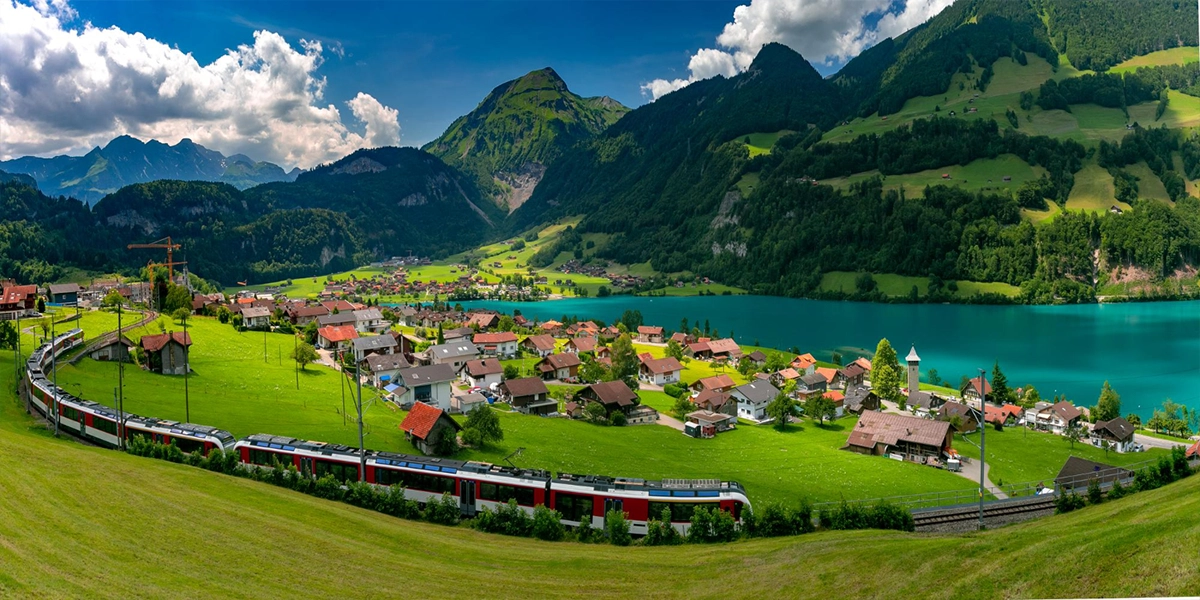
A Europe Destination Management Company (DMC) is a local B2B partner that plans, coordinates and delivers travel services on the ground. For a travel agent, a DMC can turn a broad client brief into a practical European programme covering hotels, transfers, vehicles, guides, sightseeing, dining and local support.
The value is not limited to booking one service. A capable Europe DMC connects the details so that the itinerary works as a complete journey. This is especially important when clients are travelling through several countries, when a group needs careful movement planning, or when a tailor-made trip requires local knowledge that is difficult to manage from another market.
What does a Europe DMC do?
A DMC acts as the operational partner behind the itinerary. The travel agent remains close to the client and commercial relationship, while the DMC manages selected destination arrangements and on-ground execution.
Local destination planning
The DMC understands practical travel conditions in the destinations it serves: realistic transfer times, hotel locations, vehicle access, guide availability, sightseeing flow and the amount of time travellers need to enjoy a place. This helps prevent programmes that look attractive on paper but are uncomfortable or difficult to operate.
Hotels and accommodation coordination
Depending on the brief, a DMC can recommend and coordinate hotels by location, category, room configuration, meal plan and group suitability. Location is often as important as star rating. A centrally placed hotel may reduce transfers, while a resort or scenic property may be the right choice for a slower leisure programme.
Transfers and vehicles
Airport transfers, station transfers, private cars, vans, minibuses and coaches can be arranged around the passenger count, luggage and route. The DMC can also coordinate meet-and-greet services, signage, driver instructions and contingency planning for flight or train delays.
Guides, sightseeing and experiences
Local guides and attraction arrangements help clients experience a destination with better context and less friction. A DMC can recommend a suitable pace, reserve timed entries where available, plan private sightseeing and coordinate experiences that fit the itinerary rather than simply adding more activities.
On-ground assistance
When a journey is operating, the DMC provides a local point of contact for the travel partner. This may include resolving a transfer issue, adjusting a movement, coordinating with a hotel or helping the group manager handle an unexpected change.
When should a travel agent use a Europe DMC?
A DMC is particularly useful when the itinerary has operational complexity or when the agent wants local support without building a separate supplier network in every destination.
- Multi-country tours: One coordinated brief can connect the United Kingdom, France, Switzerland, Italy and other European destinations.
- FIT and private travel: Individual preferences, premium vehicles, special occasions and flexible sightseeing need detailed local planning.
- Groups and corporate travel: Rooming lists, coach movements, meal timings and group entrances require careful coordination.
- First-time European programmes: Local input helps the agent create a route that is attractive, achievable and commercially clear.
- Time-sensitive operations: A local partner can help when the itinerary changes after confirmation.
How to brief a Europe DMC
The quality of the quotation depends on the quality of the brief. Share the travel dates, arrival and departure points, number of passengers, rooming requirements, traveller profile, preferred hotel level, transport needs, sightseeing interests, meal requirements and approximate budget. Also explain whether the client expects private, shared, premium or value-focused arrangements.
For a multi-country programme, state the preferred order of destinations but remain open to operational advice. A DMC may recommend a different sequence because of geography, transport connections, hotel availability or the pace that will work best for the clients.
What makes a good Europe DMC?
Look for clear communication, relevant destination coverage, transparent inclusions, practical timings and a defined escalation process. The DMC should understand that travel agents need reliable information for selling, quoting and managing client expectations. It should also be able to distinguish between what is confirmed, what is on request and what may change because of availability.
Global Travel Europe supports travel agents and tour operators with European ground-handling services, including transfers, private vehicles, multi-country touring, guides, sightseeing and FIT support. Share your route and passenger profile through the B2B enquiry page to start a practical conversation.
Final takeaway
A Europe DMC is more than a booking intermediary. It is a local delivery partner that helps travel professionals design stronger itineraries, coordinate multiple suppliers and support clients throughout the journey. When the route is complex or the service level matters, the right DMC can make European travel easier to sell and easier to operate.