
Multi-Country Tours
How to Plan a Multi-Country Europe Tour for Your Clients
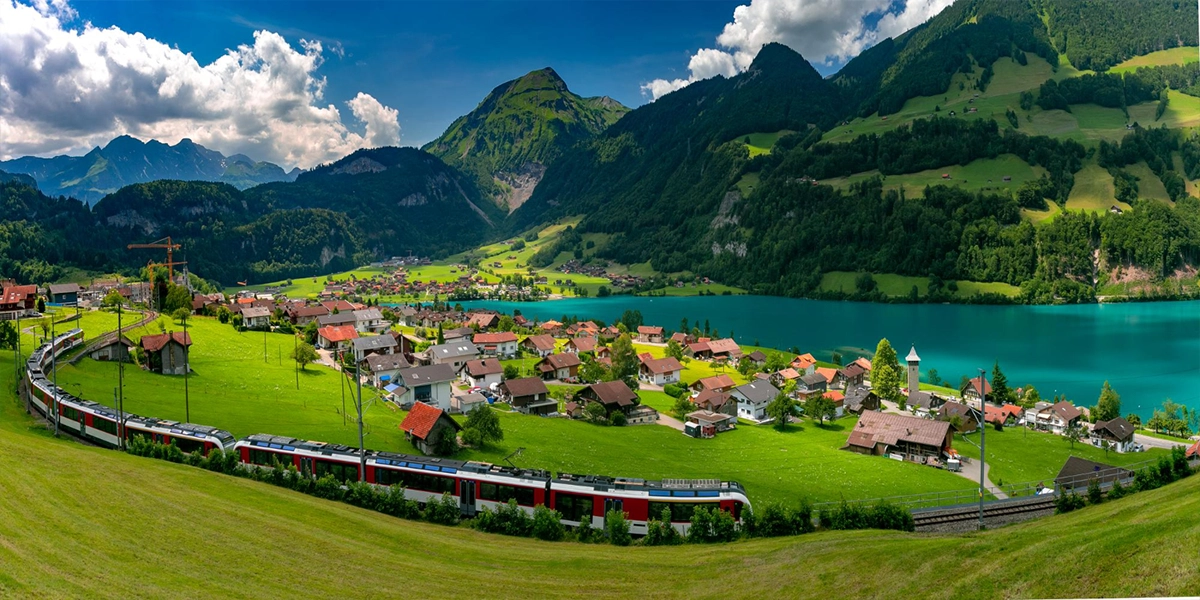
Multi-country European travel is attractive because clients can experience several cultures, landscapes and cities in one holiday. It is also one of the easiest itinerary types to overfill. A good route is not simply a list of famous places; it is a sequence that works with available time, transport, hotel locations, luggage and the travellers’ energy.
For travel agents, the objective is to create a programme that is inspiring to sell and realistic to deliver. The following framework helps turn a broad request into a coordinated B2B itinerary.
1. Start with the traveller profile
Before choosing destinations, understand who is travelling. A family with young children, a honeymoon couple, a senior group, a student group and a corporate delegation will need different pacing and services. Ask about interests, mobility, preferred hotel level, dietary requirements, luggage, budget and the balance between guided sightseeing and free time.
Traveller profile also affects the number of hotel changes. Some clients enjoy moving frequently; others prefer two or three bases with day excursions.
2. Define the route logic
Choose a clear geographical direction rather than jumping between distant destinations. A route can be designed around a gateway city, a rail corridor, a scenic road journey, a theme such as art and culture, or a combination of major capitals and regional experiences.
For example, a United Kingdom–France–Switzerland–Italy programme can be structured as a logical southbound journey. The final route will depend on arrival and departure airports, transport preferences and the amount of time available.
3. Allocate the right number of nights
Every destination needs enough time to feel enjoyable. Allow for arrival, check-in, transfers, sightseeing, meals and the possibility of delays. A one-night stop may be appropriate as a transit point, but it can feel rushed if the client expects a full city experience.
As a planning rule, separate “travel time” from “experience time”. If a client spends much of the day changing cities, the itinerary should not be sold as a relaxed stay in both locations.
4. Match transport to the route
Rail, private vans, cars and coaches each have a place in a multi-country programme. Rail can be efficient between well-connected city centres. Private vehicles provide flexibility for scenic routes, families and smaller groups. Coaches may be suitable for larger groups but require attention to access, parking and driver hours.
For every movement, record the departure point, arrival point, estimated travel time, luggage plan, hotel access and what happens if the transport is delayed. This makes the quotation more reliable and helps the local team operate the route.
5. Select hotels by location
Hotels should be assessed not only by category but also by their position on the actual route. A property near a station may be helpful for rail travel. A centrally located hotel may reduce the need for local transfers. A coach group may need a property with suitable drop-off access and rooming capacity.
Explain the trade-off clearly to the client. The most central property is not always the best operational choice, and a scenic hotel may require additional travel time.
6. Build sightseeing around the pace
Choose a few meaningful experiences in each destination instead of filling every hour. Combine guided highlights with free time, especially on longer journeys. Pre-booked attractions, private guides and timed entries can improve flow, but the schedule should still include breathing space.
7. Coordinate the details in one operating brief
A multi-country itinerary becomes manageable when the information is consolidated. The operating brief should contain passenger names, arrival details, hotel confirmations, transfer instructions, guide requirements, meal arrangements, emergency contacts and special notes. Version control is essential: every supplier should work from the latest confirmed information.
8. Add contingency planning
Plan for delayed flights, missed connections, traffic, weather, illness and changes in passenger numbers. A local DMC can advise on backup movements, flexible sightseeing and appropriate escalation contacts. The contingency does not need to be visible as a negative part of the client itinerary, but it should exist behind the scenes.
9. Present a clear quotation
Separate included services, optional services, exclusions, payment terms and amendment conditions. State whether guides, attraction tickets, meals, city taxes, luggage handling and transfers are included. Clear quotations reduce misunderstanding and help the travel agent protect the margin.
Global Travel Europe coordinates multi-country Europe programmes with transfers, vehicles, hotels, guides and local arrangements. Send a route, date range and passenger profile through the B2B enquiry form for an operational discussion.
Final takeaway
The best multi-country itinerary is not the one with the most destinations. It is the one where the route, nights, transport, hotels and experiences work together. Careful sequencing and local coordination help travel agents sell a programme that clients can genuinely enjoy.