
Multi-Country Tours
UK, France, Switzerland and Italy: Ideal Multi-Country Itinerary
The United Kingdom, France, Switzerland and Italy form one of the most appealing combinations for a first European programme. The route connects major cities, history, art, scenery and food, while giving travel agents a strong product story for families, couples and small groups.
There is no single ideal itinerary for every client. The right version depends on arrival and departure points, the number of nights, the season, transport preference and the balance between city sightseeing and scenic travel. The following framework can be adapted for a 10- to 14-night programme.
Suggested route structure
- London: Begin with two or three nights for arrival, orientation and flexible city exploration.
- Paris: Continue with two or three nights focused on culture, landmarks, food and neighbourhood experiences.
- Switzerland: Allow three nights across Zurich, Lucerne or another suitable base, depending on scenic excursions.
- Italy: Finish with three or four nights divided between a historic city and a second Italian experience, subject to the client’s interests.
Days 1–3: London
Use the first day gently if the clients arrive after a long flight. A pre-arranged airport transfer and well-located hotel reduce stress. The next day can combine an orientation with selected landmarks, a museum, a riverside experience or a guided walk.
For families, keep the first sightseeing day flexible. For couples or private groups, a food experience, theatre evening or neighbourhood-based touring can add variety. London traffic makes hotel location and movement timing important, especially when the programme includes an early departure.
Days 4–6: Paris
Choose the movement between London and Paris according to the client’s comfort and the overall route. Once in Paris, combine one major guided experience with time for independent exploration. The Louvre area, historic districts, river views and local dining can be planned without making every hour fixed.
For a premium programme, add a private guide or a special dining arrangement. For a family programme, avoid consecutive long sightseeing days and explain walking distances in advance.
Days 7–9: Switzerland
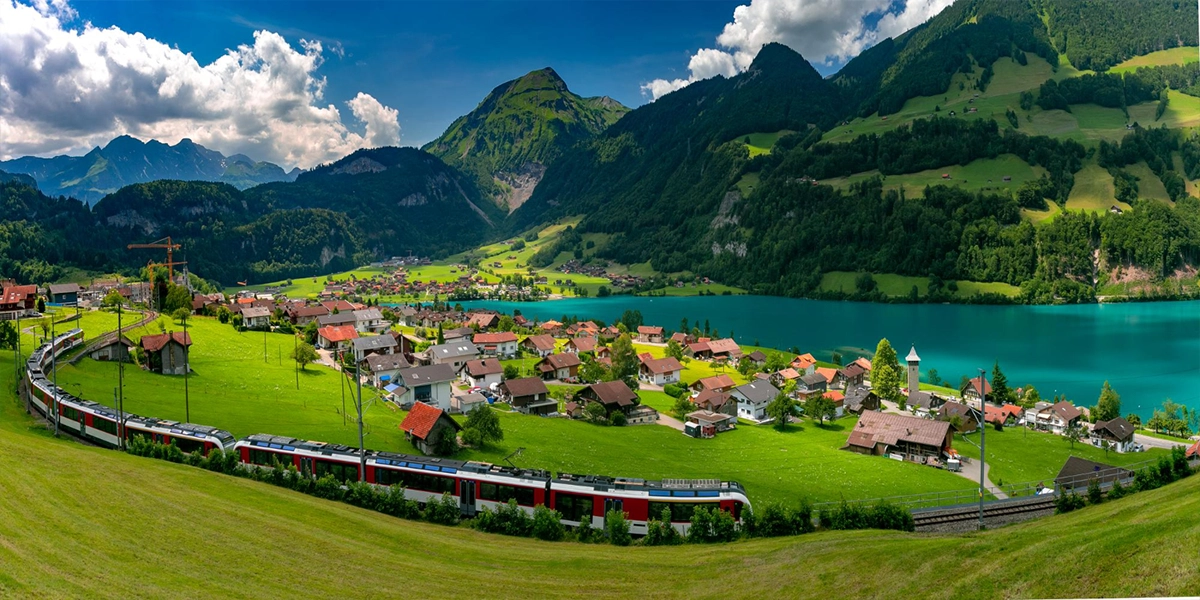
Switzerland provides a change of pace after two major capitals. The exact base should be chosen around the arrival connection and desired experiences. Zurich can be practical for international connections, while Lucerne offers a more scenic lakeside stay. A private vehicle can be useful if the itinerary includes several viewpoints, villages or regional excursions.
Build a weather-aware plan. Have a primary scenic experience and a suitable alternative such as a city, museum, lakefront or cultural visit. This protects the client experience without promising that every mountain view will be available on a particular day.
Days 10–14: Italy
Italy can be structured around Rome, Milan, Florence, Venice or a combination, depending on the departure airport and client interest. Rome provides history and food; Florence offers art and a compact cultural base; Venice delivers a distinctive experience; Milan may suit shopping, design and onward connections.
Do not include too many Italian cities in a short programme. Each additional hotel change adds packing, transfers and check-in time. A better plan may be one main Italian base with a well-designed day excursion.
Transport and hotel planning
Use rail where it genuinely improves the route and private vehicles where flexibility or scenic touring is more valuable. Confirm luggage expectations and station assistance for clients who may find independent connections difficult. Hotels should be assessed by location, room configuration, access and transfer practicality, not only by category.
How to make the itinerary sellable
Give the programme a clear narrative: royal and cultural London, artistic Paris, scenic Switzerland and historic or culinary Italy. State the number of nights, main inclusions, transfer style and optional experiences. Separate confirmed inclusions from suggestions so the client understands the value of the package.
Global Travel Europe can support this route with multi-country coordination, private vehicles, transfers, guides and destination arrangements. Send the preferred dates and client profile through the B2B contact page for a practical quotation.
Final takeaway
The UK–France–Switzerland–Italy route works because it offers contrast without losing a clear travel story. Keep the sequencing logical, protect time for rest and choose the transport model around the client rather than forcing every leg into the same format.